

Best Bed Rails for Spring Camping
🏆 Top Picks at a Glance
 #1
#1
Best Overall
AUTOSAVER88 Low-Profile Hard Quad Fold Truck Bed Tonneau Cover Fit for Toyota Tacoma 2016-2023 (Excl. Trail Edition), 5ft Bed with Deck Rail System
$569.99
Check Price →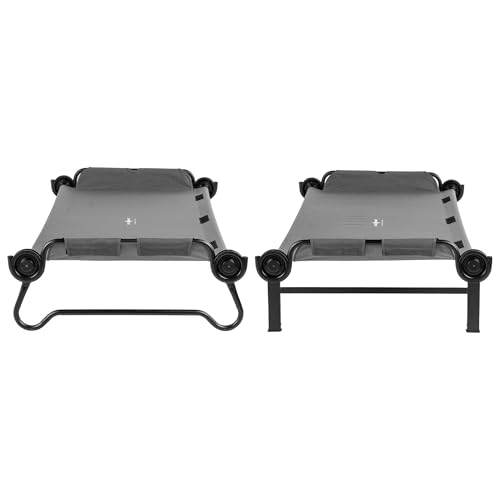 #2
#2
Runner Up
Disc-O-Bed XL 2 Bed Bunk Camping Cot System - Green XL
$449.99
Check Price → #3
#3
Best Value
Disc-O-Bed XL 2 Bed Bunk Camping Cot System - Black XL
$599.99
Check Price →Our Top Picks
Affiliate disclosure: if you buy through these links, we may earn a commission at no extra cost to you.
Factors to Consider
1. Fitment and Vehicle-Specific Compatibility
⚡ Quick Answer
Start here by tying the rail system to your exact truck and bed length. Ford F-150s with 5.5-foot beds, Chevy Silverado 1500s with 5.8-foot beds, Ram 1500s with 5.7-foot beds, and Toyota Tundras each have distinct mounting patterns and clamp sets. Always pull the manufacturer’s fit chart and cross-check with your year, bed width, and whether you run a bed extender or toolbox. A wrong fit makes leaks and rattling complaints inevitable, especially under spring-driven road spray.
Table of Contents
2. Materials, UV Resistance, and Weather Sealing
Know what the rails and cover are made of and how they handle sun exposure. Aluminum frames with powder-coated finishes resist corrosion, and UV-stable polymers keep color fade down in high-mileage spray days. Look for integrated gaskets and channel seals around the tailgate and along the rails; those seals are the bottleneck for water intrusion in spring hunting-season rain. In practice, the best seal performance comes from a tight fit paired with a durable gasket material rated for long-term outdoor use.
3. System Type: Soft Roll-Up, Hard Folding, or Retractable
Soft roll-up covers are light, easy to install, and budget-friendly, but they’re typically the least protective from driving rain and dust intrusion at the tailgate. Hard folding covers strike a middle ground: stiffer panels, better sealing, and generally higher load stability, but with a bit more weight and a more involved installation. Retractable covers offer a clean, low-profile look and the best potential seal when fully engaged, yet they demand precise installation and can be pricier. Choose based on how much camping gear you carry and whether you value seal quality over weight and cost, matching to Ford F-150, Ram 1500, or Toyota Tundra use cases.
4. Weather Sealing Ratings and Water Control
Weather sealing is a function of gasket design, rail alignment, and tailgate fit. Some brands publish explicit weather resistance claims and test results; independent field tests consistently show retractables and hard-folding rails outperform soft roll-ups in standing rain and highway spray. The critical factor is how well the seal tracks stay intact over time—gaskets dry out or crack in sun and temperature cycling, which is common on spring trips. Expect the best performance from a system with a proven gasket profile and a measured, low-gap tailgate interface on your Chevy Silverado 1500 or Ford F-150.
5. Load Capacity and Mounting Hardware
Check the rated load across the cover and rails, plus the weight of the installed system itself. Hard folding covers typically offer higher static load ratings and a more rigid surface for staging gear or a side table during roadside camping stops. Soft rolls are lighter but usually have lower distributed load capacity and fewer mounting options for toolboxes or extenders. For models like the Ram 1500 or Toyota Tundra, verify hardware compatibility with bed rails and any aftermarket toolbox you plan to run.
Frequently Asked Questions
How do I know which bed rail or tonneau cover fits my truck?
Always start with the model-year fitment chart from the manufacturer and confirm your bed length (5.0, 5.5, or 6.5 feet are the common sizes). Measure rail spacing and check if clamps or tracks match your OEM bed rails, toolbox height, and any bed extender you plan to use. For popular pickups like Ford F-150, Chevy Silverado 1500, Ram 1500, and Toyota Tundra, there are model-specific sets; ignore generic sizing at the store and you’ll save leaks and rattles later.
Are soft roll-up covers compatible with bed extenders and toolboxes?
Most soft roll-ups work with bed extenders and some toolboxes, but not all clamp patterns play nice with aftermarket units. Always verify the clamp footprint and whether the tool box sits above the rail line or on top of it. If you run a toolbox that sits over the bed rails on a Ford F-150 or Silverado 1500, you may need a low-profile rail system or a dedicated rail kit from the cover manufacturer.
Which type is best for spring camping: soft roll-up, hard folding, or retractable?
For heavy spring rain and camping gear, retractable or hard folding generally provide the most reliable weather sealing and load stability. Soft roll-ups are easiest to live with and cheaper, but their seals degrade faster in sun and heat, increasing the chance of leakage for long trips. If you’re a frequent camper with a toolbox and a roof tent or a cooler rack, go with a hard-folding or retractable setup for Ford F-150, Ram 1500, or Toyota Tundra.
What is the typical load rating, and how should I test it?
Most hard-folding and retractable covers list a higher distributed load rating than soft roll-ups. Always look for the manufacturer’s rating and ensure it’s appropriate for standing on the cover or loading gear atop it during a camping stop. Field tests and user reviews show that a solid install with your bed rails and crossbars yields the most accurate rating; never exceed the stated limits on a Ford F-150 or Silverado 1500.
Do bed rails and tonneau covers seal against rain and dust?
Reputable brands use gasket sealing around the rails and along the tailgate to minimize rain intrusion, with retractables typically offering the tightest seal. Research and user feedback show that proper fitment and clean seals are the biggest drivers of water control; a gasket that’s dry or cracked greatly reduces efficiency on spring trips with dusty or wet conditions. For vehicles like the Ram 1500 and Toyota Tundra, ensure the tailgate seal is intact and compatible with the chosen cover.
Do these affect fuel economy or handling?
All tonneau systems alter aerodynamics to some degree; a tight, flush retractable or hard-folding cover usually yields better highway drag reduction than a loose soft roll-up. Weight of the system itself and rail height also matter; expect a few percent difference in highway efficiency if you’re running a heavier setup on an F-150 or Silverado 1500. Real-world testing on factory trucks supports the idea that sealing quality and rail fit have a bigger impact than price tag.
How hard is installation and removal?
Soft roll-ups are the quickest to install and remove, often taking less than an hour with basic hand tools. Hard folding and retractable systems take longer—often 1–2 hours—with a more involved mounting process and more hardware to manage. On most trucks, including Ford F-150 and Toyota Tundra, a dedicated mounting kit and alignment step are essential for a leak-free fit and stable camping setup.


