

Hard Tonneau Covers Buying Guide: What to Look For in 2026
🏆 Top Picks at a Glance
 #1
#1
Best Overall
Our Top Picks
Affiliate disclosure: if you buy through these links, we may earn a commission at no extra cost to you.
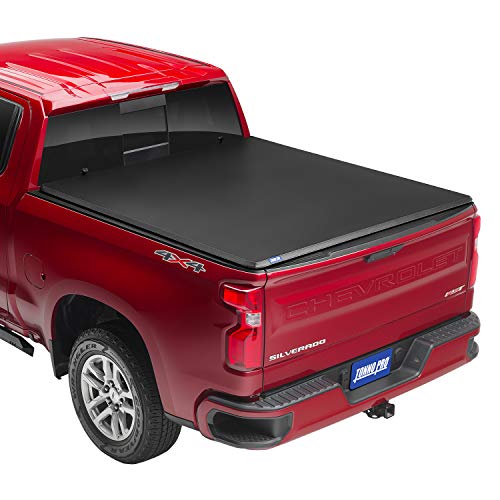
Hard Folding Truck Bed Tonneau Cover Compatiable with Chevy Silverado & GMC Sierra 1500(2007-2026) 5.8 FT Short Box(NO CarbonPro Bed), Tri Fold Style
$439.99
Check Price →
#2
Runner Up
Tonno Pro Hard Fold Tonneau Cover
$420.96
Check Price → #3
#3
Best Value
MOSTPLUS 5.5FT Quad Fold Hard Truck Bed Tonneau Cover Compatible with Ford F150 2015-2025 2026 Ford F-150 Bed On Top 4 Fold Aluminum Bed (67Inch)
$399.99
Check Price →⚡ Quick Answer
When it comes to securing your cargo and protecting your truck bed, hard tonneau covers are the gold standard. They’re built tough, weather-resistant, and versatile enough to handle serious loads. But not all hard covers are created equal. Choosing the right model depends on fitment accuracy, UV resistance, weather sealing, and load capacity. As a seasoned diesel mechanic and truck builder, I’ve seen the pitfalls of poor-fitting covers and the benefits of focusing on specs that matter.
Table of Contents
This guide breaks down what you need to know as we head into 2026, whether you’re running a Ford F-150, Ram 1500, Chevy Silverado, or any similar full-size truck. Knowledge of compatibility and robust construction is key to avoiding leaks, damage, or just plain frustration. Let’s get into the nuts and bolts of picking a hard tonneau cover that won’t let you down.
Hard Folding Truck Bed Tonneau Cover Compatiable with Chevy Silverado & GMC Sierra 1500(2007-2026) 5.8 FT Short Box(NO CarbonPro Bed), Tri Fold Style
$439.99Check PriceFitment Accuracy
Compatibility is non-negotiable. A hard tonneau cover that doesn’t fit precisely will leak, rattle, and could even damage your truck bed or tailgate. Always verify the model year, cab configuration, and bed length. For example, Ford F-150s from 2015-2023 have different bed profiles than the 2024+ models, impacting how a cover mounts and seals.
Look for brands that specify fitment for your specific truck make and model. Aftermarket covers with adjustable side rails or custom-fabricated units tend to fit better and seal tighter. Measure bed width at multiple points — some trucks have slight variances, especially if the bed has been replaced or if aftermarket modifications exist.
Materials & UV Resistance
Hard tonneau covers typically come in aluminum, fiberglass, or composite materials. Aluminum is rugged, lightweight, and highly corrosion-resistant, especially if powder-coated. Fiberglass offers a sleek look and excellent durability but can be more brittle under impact. Composites balance weight and strength but can degrade under prolonged UV exposure if not treated properly.
UV resistance matters because exposure to sunlight accelerates material degradation. Choose covers with UV-inhibiting coatings or UV stabilizers incorporated in the material. If your truck sits outdoors constantly, a cover with advanced UV protection ensures longevity—especially critical for aluminum and composite units.
Weather Sealing & Water Resistance
An effective weather seal prevents rain, snow, and dust from infiltrating your truck bed. Top-tier hard covers feature dense foam or rubber gaskets along the perimeter, combined with overlapping panels to shed water efficiently. Some models incorporate integrated drainage channels that direct water away from the tailgate area.
Pay attention to seam design and sealing hardware — loose or poorly sealed models will compromise cargo security. Test-fit if possible and inspect the seals for compression and durability. A cover with a high water resistance rating (think IP55/IP67-like ratings for electronics, but for seals) will better withstand stormy conditions.
Load Capacity & Strength
Hard tonneau covers must support weight, whether for hauling tools, equipment, or heavy items. Check the manufacturer’s specified load capacity — typical ranges are 200-400 lbs., but professional-grade models can go higher. Aluminum covers with ribbing or reinforced panels tend to support more weight than fiberglass or composite units.
Ensure the mounting hardware and hinges are rated accordingly; weak points will cause sagging and eventual failure under load. When installing racks, crossbars, or bed extenders, verify that they do not exceed the cover’s weight limits.
Types of Hard Tonneau Covers
Hard tonneau covers come mainly in three categories: retractable, folding, and tri-fold/hard-shell. Each has specific strengths and weaknesses.
- Retractable: Roll seamlessly into a canister at the front of the bed. Excellent for quick access and secure locking. Solis well with spray-in liners as they don’t rely on hinges but are usually more expensive. Compatibility is key with your truck’s bed length.
- Folding (usually tri-fold): Panels fold up for quick access. Usually easier to install, with good weather sealing if designed properly. Make sure hinges are rated for your load demands.
- Hard-shell (rigid panels): Mounted on rails or clamps, these covers offer maximum security and weather resistance. Often more airtight, but heavier and slightly more complex to install.
When comparing these, consider the truck’s primary use: daily driver with quick access (folding), heavy-duty cargo (hard-shell), or a balance of both (retractable). Compatibility varies per model—Ram 1500 and Silverado tend to favor different track systems, for example.
Installation & Practical Tips
Proper installation is crucial for fitment and efficacy. Most hard covers require specific mounting tracks attached to the truck’s bed rails or sidewalls. Ensure your truck has factory or aftermarket bed rail system compatible with your chosen cover.
Use a torque wrench and double-check seal compression during installation. Some models require drilling, while others clamp directly onto existing rails. Proper alignment ensures weather sealing and load distribution meet specifications.
Frequently Asked Questions
Can I install a hard tonneau cover on a truck with a spray-in liner?
Yes, but ensure the liner doesn’t interfere with mounting brackets or sealing surfaces. Some covers require clip mounting to the bed rails, which can be blocked by thick liners. Use compatible mounting hardware for best results.
Are retractable hard covers more secure than folding ones?
Generally, yes. Retractable covers often lock at the front and have fewer access points, making it harder for thieves to access cargo. Folding covers are also secure but may have more access points if not equipped with locking hinges.
What’s the best material for UV resistance?
Aluminum with powder coating and composite materials with UV inhibitors perform best under prolonged sun exposure. Fiberglass can degrade unless protected with UV-stabilized gel coats.
How much weight can a typical hard tonneau cover hold?
Most support between 200-400 lbs., but check your specific model’s rating. Reinforced aluminum or composite with structural ribs can support even more, often in the 500 lbs. range when properly installed.
Will a hard cover affect my truck’s fuel efficiency?
It can marginally improve aerodynamics, especially if flush-mounted, possibly saving a few MPG. Heavy or poorly designed covers could increase drag, so choose models optimized for efficiency.
Conclusion
Choosing the right hard tonneau cover in 2026 hinges on precise fitment, durable materials, excellent weather sealing, and load capacity. Not every cover is suited for every truck — verify compatibility with your specific make and model. Invest in a quality unit, and you’ll enjoy secure, weatherproof cargo protection for years to come. Next step: measure your truck, decide your primary needs, and pick a model that ticks all the boxes with proven specs and manufacturer backing.


