

How to Choose the Right Hard Tonneau Covers
Picking the right hard tonneau cover isn't just about aesthetics; it’s about durability, fitment, weather resistance, and load capacity. As a truck owner or builder, your goal is to secure your gear, protect your bed from the elements, and maintain full access without sacrificing structural integrity. Hard covers come in different styles and features—knowing what suits your specific make and application matters.
Our Top Picks
Affiliate disclosure: if you buy through these links, we may earn a commission at no extra cost to you.
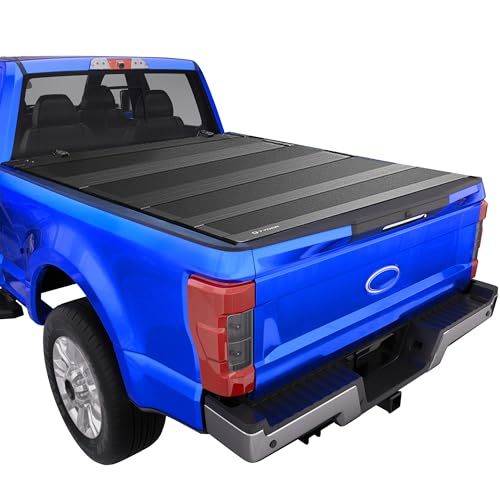
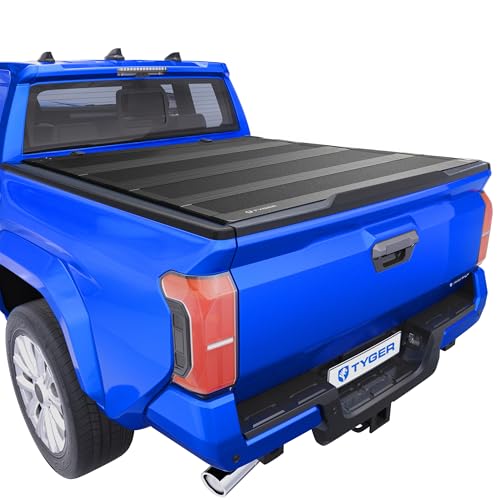
From full-size pickups like Ford F-150s and Ram 1500s to heavy-duty models, every truck has nuances that influence the best cover choice. The wrong fit or material can cause leaks, reduce load capacity, or even damage your truck’s paint and bed over time. This guide cuts through the hype, focusing on real-world, technical considerations you need to make an informed decision.
Tyger Auto T4 Flip-Up Low Profile Hard Alloy Truck Bed Tonneau Cover Compatible with 2017-2026 Ford F-250 F-350 Super Duty | 6.75' (82") Bed | TG-BC4F4406
$1171.87Check Price
Table of Contents
Why Hard Tonneau Covers Matter
Hard tonneau covers provide a solid, lockable barrier over your truck’s bed, effectively safeguarding tools, equipment, and cargo from theft and weather. Unlike soft covers, these are less prone to flapping and accidental opening, especially on high-traffic highways or rough rural roads. For trucks used in work environments like utility or construction, a sturdy hard cover means fewer worries about accidental breaches or damage.
Durability and UV resistance are key. Hard covers made with aluminum or fiberglass panels withstand sunlight without warping or fading, maintaining their integrity over years. Plus, their weather sealing is often rated at IP65 or higher, meaning they block rain and dust effectively—crucial during rainstorms or dusty work sites.
Fitment and Compatibility
Correct fitment is non-negotiable. A cover designed for a 2018 Ford F-150 SuperCrew won’t fit a 2015 model or a Ram 1500 Classic without modifications. Measure your bed length precisely: 5.5ft, 6.5ft, or 8ft—these are the typical options, but variations exist even within model years.
Check compatibility with existing bed accessories: bed liners, bed extenders, or toolboxes could interfere with installation. Many hard covers are designed with modular mounting systems—like T-slot rails—that facilitate adjustments for specific truck configurations. When buying, verify manufacturer fitment lists or consult a dealer with your VIN to avoid costly returns or modifications.
Material and Construction
Steel and aluminum are common. Steel offers strength but is prone to rust without proper coating, making it less ideal if UV and corrosion resistance are concerns. Aluminum, especially marine-grade, is lightweight, durable, and resists corrosion—ideal for harsh environments.
Fiberglass panels provide a seamless, painted finish that blends with your truck’s aesthetics, plus excellent UV and weather resistance. However, they’re more brittle and can crack or chip under impact. Composite materials are also emerging—blending the best of metals and plastics—but ensure they have proper UV inhibitors and weatherproof coatings.
Weather Resistance & Sealing
Weather sealing is critical for keeping moisture out of your truck bed. Look for covers with rubber or foam weather seals along the edges—especially at installation points—ensuring IP65 or higher ratings for water ingress. Over time, seals can degrade, so choose models with accessible sealing systems that are replaceable.
Installation angle and zipping or locking mechanisms also influence weatherproofing. Hard covers with tight, overlapping joints and drainage systems routed outside the bed help prevent water pooling and protect your payload.
Load Capacity & Security
The ability to handle weight varies widely among hard tonneau covers. Heavy-duty models designed for construction or commercial use can support upwards of 500 lbs distributed evenly—vital if you intend to carry ladders, fuel cans, or other heavy loads.
Security features are equally important. Lockable latches that require a key or electronic access prevent unauthorized access. Aluminum and composite models often incorporate reinforced locking mechanisms to deter theft. Consider your security needs—do you want remote locking or manual? That choice impacts ease of use.
Soft Roll-up vs Hard Folding vs Retractable
Soft roll-up covers are lightweight, easy to install, and typically less expensive but offer minimal security and weather resistance. They’re suitable for occasional use or backup coverage. Hard folding covers strike a good balance—they’re tougher, lockable, and easy to operate, folding into sections for quick bed access.
Retractable covers are the premium choice. Usually constructed with aluminum slats and locking mechanisms, they roll into a compact canister at the bulkhead, offering full access and excellent weather sealing. Retractables generally support higher loads and give a clean, sleek look—ideal for heavy-duty or commercial purposes.
Practical Tips for Choosing
First, determine your primary use: security, weather protection, load capacity, or convenience. Measure your bed precisely and check compatibility with existing accessories like bed liners or toolboxes. Always prioritize UV-resistant, corrosion-proof materials—aluminum or fiberglass are top choices.
Compare sealing systems—tight seals with external drainage routes outperform cheap foam seals in longevity. If security is critical, select models with reinforced locks and key access. For high loads or heavy-duty use, verify the rated load capacity before buying. Remember, the cheapest option often costs more in the long run due to maintenance or leaks.
Frequently Asked Questions
Can I install a hard tonneau cover myself?
Yes, most models come with detailed instructions and mounting hardware. However, proper fitment is key—double-check your truck’s specifications and ensure the cover is aligned correctly.
Will a hard cover fit with my truck’s existing bed liner?
It depends. Some bed liners interfere with the clamp or mounting system, so you need a model designed for use with bed liners or choose a cover that mounts above the bed liner.
How weatherproof are retractable tonneau covers?
Retractable covers with rubber seals and sealed locking mechanisms typically offer IP66 or higher ratings, providing excellent protection against rain and dust. Proper installation is essential to maintain these ratings.
What’s better—a soft roll-up or a hard folding cover?
Hard folding covers offer superior security and durability, while soft roll-ups are lighter and easier to remove. Your choice should depend on your balance of budget, security needs, and convenience.
Are hard covers worth the extra cost?
Yes. They provide better security, weather sealing, and load capacity. If your truck carries valuable tools or is exposed to harsh conditions, the investment pays off over time.
Choosing the right hard tonneau cover isn't just about buying the most expensive one. It’s about matching features to your specific usage, truck model, and environment. Take precise measurements, prioritize durability and weather sealing, and invest in quality to safeguard your payload for years. Next steps: review your truck's specifics, then cross-reference with fitment guides and product specs to make your selection confidently.


