

How to Choose the Right Truck Toolbox for Spring 2026 Camping and Off-Road Adventures
When you're gearing up for spring camping and off-road trips, your truck's storage setup matters just as much as your gear. A good truck toolbox isn’t just about theft prevention or organization—it's about durability, fitment, weather resistance, and load capacity to handle tough terrain. Choosing the right toolbox on your Ford F-250, Ram 2500, or Chevy Silverado 1500 means selecting the right style and features to match your truck’s specs and your needs.
Our Top Picks
Affiliate disclosure: if you buy through these links, we may earn a commission at no extra cost to you.
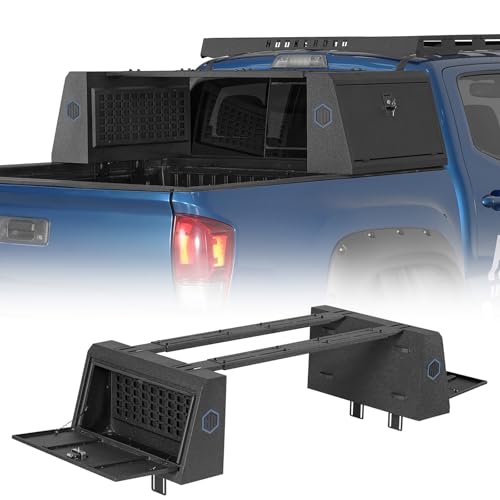
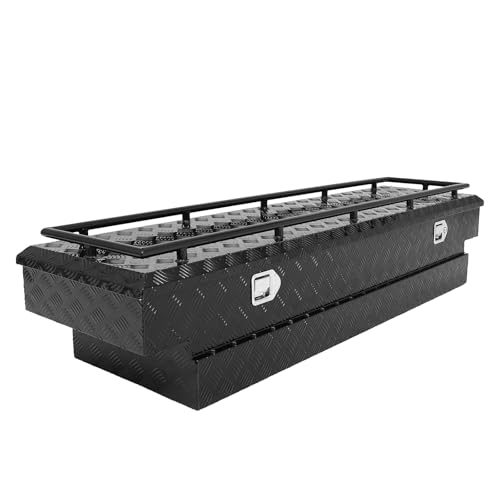
Getting it wrong could mean water ingress, damaged gear, or worse—exceeding weight limits that compromise your truck’s performance. So, let’s dive into how to pick the perfect toolbox that keeps your gear safe, dry, and accessible on your next adventure.
Hooke Road Topsider Truck Bed Tool Box for Jeep Gladiator JT, Toyota Tacoma, Tundra, Ford F-150, Ranger, Ram 1500, Silverado 1500, Colorado, Sierra 1500, Canyon - Heavy Duty Lockable Storage Box
$474.99Check Price
Table of Contents
Truck Toolbox Types
There are three main styles: side mount, crossover, and top mount. Each fits different truck models and use cases. For off-road and camping, durability and weather sealing are key.
- Side Mount Toolboxes: Installed along the bed sides, perfect for narrow or tight spaces. On a Chevy Silverado 1500, these give quick access without sacrificing bed space. They are usually low-profile but may cause clearance issues with larger tires or aftermarket lifts.
- Crossover Toolboxes: Span across the truck bed width, mounted behind the cab. These offer the most utility, allowing full-length storage without interfering with bed access. Ideal for Ram 2500 especially if you need to carry long gear like shovels or axes.
- Top Mount (Cap-mounted) Toolboxes: Sit on top of the bed rails; easy to install but may catch wind or dirt during off-road. Suitable for trucks with tall beds like the Ford F-250 Super Duty, where maximizing vertical storage helps with gear organization.
Fitment and Compatibility
Fitment accuracy is non-negotiable. A toolbox that's too narrow won’t utilize available space, and one that's too wide might interfere with tailgate operation or restrict access. For example, a Ram 3500 with a 68-inch bed requires a crossover box within that width, with consideration for bed liners and inner bed rails.
Many manufacturers provide detailed fitment charts. Check these meticulously—fitting a toolbox on a truck with a spray-in liner may require different mounting brackets. Also, consider whether your truck has additional accessories such as bed rails or spray-on Liners. Ensuring compatibility with these features prevents costly modifications later.
Material Selection & UV Weather Resistance
Material choice dictates durability and weather resistance. Common options include steel, aluminum, and high-density polyethylene (HDPE). Steel offers superior strength but is heavier and susceptible to rust without proper coating. Aluminum is lighter, corrosion-resistant, but can dent under heavy impacts—check for reinforced models if you plan to toss heavy gear.
Polyethylene or composite models excel in UV resistance and are practically maintenance-free, making them perfect for off-road environments. Look for UV stabilizers in the polymer to prevent cracking or breaking down after long sun exposure. Installing a matte finish surface also reduces glare and slipping issues when reaching into the toolbox.
Load Capacity & Security Features
Heavy-duty camping gear, shovels, recovery straps—they all add up. Your toolbox must support weight without deforming or cracking. Check the load rating specified—professional-grade units can handle 300+ pounds if mounted properly.
Security features matter, especially when camping in remote areas. Look for reinforced locks, tamper-proof latches, and reinforced hinges. For off-road use, choose models with weather seals around the lid and key locks to prevent unauthorized access. Some boxes come with integrated cable or lockable hasps—adding an extra layer of security.
Integrating Additional Gear (Bed Extenders, Rails, etc.)
Camping and off-road setups often require more than just storage. Bed extenders, bed rails, or custom mounts can be integrated with your selected toolbox. On a Ford F-150, using bed rails allows easy mounting of ladder racks or lighting solutions alongside your toolbox.
When selecting a toolbox, ensure it doesn't interfere with accessory attachments or bed extenders. Some units designed specifically for trucks with bed rails include mounting channels for adapters. Also, consider the placement: top-mounted boxes may block access to bed-mounted accessories, so plan accordingly.
Frequently Asked Questions
Can I install a toolbox on a truck with a spray-in liner?
Yes, but you'll need compatible mounting brackets or clamp-on solutions to ensure secure fitment without damaging the liner.
What material is best for off-road durability?
High-density polyethylene (HDPE) or reinforced aluminum is best. They resist UV damage, impacts, and corrosion in rough environments.
How do I prevent water ingress in my toolbox?
Look for boxes with high IP ratings, weather seals, and gaskets around the lid. Proper installation and seal maintenance are essential.
What is the weight capacity I should consider?
For off-road gear and camping supplies, choose a toolbox rated at least 300 pounds or more. Heavier gear needs a sturdy, reinforced box.
Are lockable toolboxes worth it?
Absolutely. Off-road trips and camping sites often lack secure storage. Lockable boxes prevent theft and tampering.
Can I combine a toolbox with other accessories like bed extenders?
Yes, but verify dimensions and compatibility first. Many models support mounting alongside other gear with the right brackets or rails.
Choosing the right truck toolbox isn’t just about capacity—durability, fitment, weather sealing, and security are all critical, especially when tackling spring adventures where conditions can change fast. Take the time to match your truck's model and your specific needs. That way, your gear stays safe, dry, and ready for action on your next off-road or camping run.
Next step: Evaluate your truck’s specific measurements and identify your gear load needs. From there, pick the box style, material, and features that align best with your plan for spring 2026 adventures.


