

Install Bed Mats for Spring
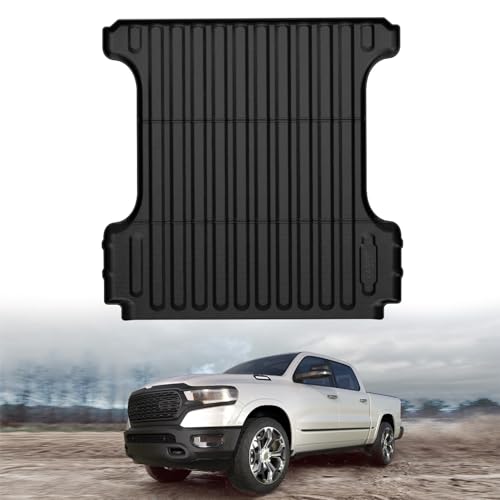
Bed mats aren’t one-size-fits-all. For an example, a Ford F-150 with a 5.5-foot short bed and a late-model 3rd-gen Silverado 1500 with a 6.5-foot bed require different cut-to-fit profiles to avoid contacting the tailgate seal or rolling under the bed rails. Toyota Tacoma owners with a 5-foot bed will want a mat sized specifically for that short footprint, not a generic “universal” piece. Always pull a tape and verify exact product dimensions against your model year, bed length, and any bed liner or rail system (Ford F-150, Ram 1500, Chevy Silverado, Toyota Tacoma, Toyota Tundra, Nissan Frontier) before buying.
Table of Contents
Our Top Picks
Affiliate disclosure: if you buy through these links, we may earn a commission at no extra cost to you.

Factors to Consider
1. Fitment and bed dimensions
2. Material choice and UV/weather resistance
Material matters when spring sun beats down on the bed. EPDM rubber and TPE-based mats resist heat and ozone better than straight vinyl, and most premium mats include UV stabilizers to slow fading and cracking. If you’re rolling your truck out in desert routes or high- UV zones, verify the exact UV stabilization rating on the product page and pick a mat that lists “long-term color retention” or “UV resistance” in its specs. For trucks like the Ford F-150, Ram 1500, and Toyota Tundra, higher-end mats typically outperform economy vinyl on year-round durability.
3. Weather sealing and water intrusion
Look for mats with raised edges or channel designs that help direct water out of the bed when paired with a tonneau cover. The seal is only as good as the combination with your cover; partial seals can trap moisture under the mat, especially with soft roll-up covers on a Chevy Silverado or a GMC Sierra. If you run a spray-in liner, ensure the mat’s texture and edges won’t abrade the liner or create a trapped-water pocket around wheel wells, common on mid-size trucks like the Toyota Tacoma or Nissan Frontier.
4. Fitment accuracy vs. installation ease
Custom-fit or cut-to-fit mats deliver the best fit for a Ford F-150’s 6.5-foot bed or a Toyota Tacoma’s 5-foot bed, but they require precise trimming. Drop-in mats are easiest to install on a Ram 1500 or Chevy Silverado and can work with factory bed rails if the spec sheet notes compatibility. Consider how your choice interacts with a roll-up, hard folding, or retractable cover; retractables demand exact clearance along the cover rails, while soft roll-ups tolerate a looser edge fit but can shift if not anchored.
5. Load protection and cargo compatibility
A good bed mat protects the surface beneath from scratches, dents, and tool grate while offering grip to keep loads from sliding. Mats are not structural load-bearing devices; for heavy toolboxes or fuel cans, you still want a bed liner or a mat with a durable non-slip surface. Verify that the mat’s surface texture and edge lip won’t interfere with bed rails, toolbox mounts, or bed extenders on trucks like the Ford F-150, Chevrolet Silverado, and Toyota Tundra.
Frequently Asked Questions
1. What type of bed mat is best for a Ford F-150 with a 5.5-foot bed: soft roll-up, hard folding, or retractable?
Hard folding mats offer top-to-bottom protection and keep a firm edge against the tailgate, which helps with a light pellet of dirt and mud. Soft roll-up mats are easier to install and usually cheaper, but they can shift if you don’t secure them with the tonneau cover; retractable mats can be excellent with a tonneau like the Ford F-150’s roll-up, but they require precise bed rail clearance to avoid binding.
2. How do I measure my bed for a mat?
Pull a tape along the inner bed length and the widest part between wheel wells, then check the manufacturer’s listing for your exact model year. For example, a Toyota Tacoma with a 5-foot bed or a Chevy Silverado 6.5-foot bed will have different cut profiles; always compare to the product’s fitment chart for 2014-2024 models. Don’t guess—measure twice, order once.
3. Will a bed mat interfere with my tonneau cover (soft roll-up, hard folding, retractable)?
It can if the mat’s height or edge profile clashes with the cover’s seals or rails. Soft roll-ups usually tolerate a non-sugared edge better, while retractables need a mat that sits flat and doesn’t bind on the rail. Always verify compatibility claims with your exact cover model (for example, a Roll-Up on a Ram 1500 or a retractable on a Toyota Tundra) before buying.
4. Are bed mats UV resistant?
Most OEM-grade and premium aftermarket mats include UV stabilizers and carbon-black additives designed to resist sun fading. Materials like EPDM rubber and certain TPE blends hold color better than plain vinyl in prolonged sun; expect 5–10 years of respectable color retention in temperate climates, shorter in intense desert sun.
5. Do bed mats work with spray-in liners or bed rail systems?
Yes, but check the mat’s underside grip and edge design. A mat that relies on friction works well with spray-in liners, while a raised-edge mat can trap moisture if it doesn’t vent properly. For trucks with bed rails (Chevy Silverado, Ford F-150, Ram 1500), ensure the mat doesn’t interfere with rail screws or toolbox mounts.
6. How long will a bed mat last in spring weather on a Toyota Tacoma or Ford F-150?
Durability depends on climate and usage. In temperate spring conditions, a premium rubber or rubber-like mat can last multiple seasons, while lower-cost vinyl may begin showing wear after 1–2 seasons. If you park in sun-heavy areas (Phoenix, Las Vegas), plan for more frequent inspection and potential replacement in 2–4 years.
7. Should I install a bed mat myself or have it professionally installed?
Most mats are DIY-friendly: drop-in or cut-to-fit mats can be a one-person job with a utility knife and some masking tape. If you’re dealing with a custom fit for a fancy retractable cover or a complex bed rail setup, a shop can help ensure a seamless fit without compromising seal and bed clearance on trucks like the Chevy Silverado and Ford F-150.


