

How to Install Spray-In Liners
When you buy a spray-in liner, it has to match your bed geometry exactly. Check bed length (5.5' vs 6.5' for most half-ton pickups) and rail setup, noting if you have factory bed rails or aftermarket caps. For models like Ford F-150, Ram 1500, Chevy Silverado 1500, Toyota Tundra, and Toyota Tacoma, use a model-year and bed-length specific kit to avoid gaps at corners and along the tailgate. A poor fit shows up as edge lifting, water pooling, and premature edge cracking after use.
Table of Contents
Our Top Picks
Affiliate disclosure: if you buy through these links, we may earn a commission at no extra cost to you.

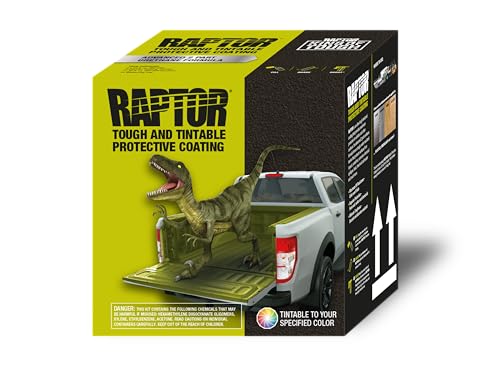

Factors to Consider
Fitment accuracy and bed geometry
UV resistance, weather sealing and color stability
Most automotive spray liners use polyurethane or polyurea with UV stabilizers to resist chalking and fading. Look for data sheets that confirm long-term outdoor exposure performance; credible brands back this with color-retention and weathering warranties in typical climates. The coating must seal to the bed floor and side walls without gaps; verify tailgate edge and stake-pocket areas stay sealed under rain and mud. On trucks like F-150, Silverado 1500, Ram 1500, Toyota Tundra, and Toyota Tacoma, seal integrity is critical to prevent water intrusion and rust under the edge.
Liner type compatibility with bed covers: soft roll-up, hard folding, or retractable
If you run a tonneau, you need to consider how the lid interacts with a sprayed bed. Soft roll-ups are easiest to install and remove, but some models can snag on raised liner edges; verify clearance at rail tops for your model. Hard folding lids mount to rails and work well with flush liner edges, but you may need an edge seal or spacer. Retractable covers seal the tightest but can be sensitive to liner thickness and tailgate alignment; confirm rail channel compatibility before buying for F-150, Silverado 1500, Ram 1500, and Toyota Tundra/Tacoma.
Load capacity, abrasion resistance and long-term durability
Spray-in liners won’t magically increase payload rating; they add a few dozen pounds of weight and won’t change the bed’s stamped payload. Look for abrasion resistance specs (Taber or equivalent tests) to gauge wear under dragging tools and pallets. Thickness matters for edge protection and slip resistance; thicker coatings can improve bite but may be harder to clean and could affect lid fit with some tonneaus. For common models like F-150, Silverado 1500, Ram 1500, Tacoma, and Tundra, pick a liner that balances protection and clearance with your cover and cargo needs.
Prep, installation readiness and warranty considerations
Professional installation yields the best adhesion; if you DIY, you must strip, degrease and lightly abrade the bed surface to promote bonding. Expect to remove or mask bed accessories; degrease, sand lightly, and blow out all dust before application. Cure times run 24–48 hours depending on temperature and humidity; don’t load or expose the surface during cure. Check the brand’s warranty and ensure your truck model (F-150, Silverado 1500, Ram 1500, Toyota Tundra/Tacoma) is listed as compatible to avoid warranty disputes.
Frequently Asked Questions
What is a spray-in liner and how is it different from other bed protection?
A spray-in liner is a seamless polyurethane or polyurea coating sprayed directly onto the bed to protect against abrasion, moisture, and impact. It bonds to the metal and cures to a hard, slick surface that’s tough to scratch or dent. Compared with drop-in liners or mats, it provides a single-piece seal and usually better long-term moisture resistance.
Can I install a spray-in liner myself, or should I hire a professional?
You can DIY if you’re comfortable with cleaning, sanding, and mixing coating components, but adhesion hinges on flawless surface prep. Improper prep or moisture in the bed will cause peel or cure failure, which is why many owners opt for professional installation. For model-specific kits on Ford F-150, Ram 1500, Silverado 1500, Toyota Tacoma, and Toyota Tundra, professional install minimizes the risk of warranty voids due to improper curing.
Will a sprayed liner fit my exact truck model and bed length (e.g., F-150, Silverado, Ram 1500, Tacoma)?
Yes, most brands publish model-year and bed-length compatibility. The key is using a kit matched to your bed length (5.5' or 6.5' for many half-ton pickups) and your rail configuration. Always double-check the manufacturer’s compatibility chart for Ford F-150, Ram 1500, Chevy Silverado 1500, Toyota Tacoma, and Toyota Tundra to avoid gaps at corners or the tailgate.
Do spray-in liners work with soft roll-up, hard folding, or retractable tonneau covers?
They can, but you must confirm clearance and seal interactions. Soft roll-ups can snag on raised liner edges if the liner sits high near the rails; hard folding lids pair well with flush edges but may need an edge seal. Retractable covers offer the tightest seal but can require rail-channel adjustments or spacers; verify fitment with your chosen liner and cover on models like F-150, Silverado 1500, Ram 1500, and Toyota Tundra/Tacoma.
How long does curing take, and when can I load the bed?
Most spray-on liners cure over 24–48 hours in a controlled environment; avoid loading or washing the bed during cure. Temperature and humidity affect cure time, so plan for a window where the coating can fully harden. After cure, you’ll typically resume normal use with standard load limits, provided you stay within your truck’s payload rating.
What warranty protection should I expect on a spray-in liner?
Warranty length varies by brand, but automotive-grade spray-in liners typically offer multi-year coverage and some brands provide longer-term or lifetime options. Always read the warranty terms for coverage on adhesion, color stability, and UV resistance, and verify that professional installation is approved to keep warranty intact. For popular models (F-150, Silverado 1500, Ram 1500, Toyota Tacoma/Tundra), warranty terms are usually listed on the manufacturer’s site and at the installing dealer.
How do I maintain UV resistance and prevent chalking or cracking?
Keep the coating clean and follow the manufacturer’s cleaning guidelines; avoid harsh solvents that can degrade the surface. Regular washing and microfiber drying reduce dirt buildup that can abrade the coating. If you notice micro-cracking or fading in extreme sun, consult the data sheet for approved top coats or touch-up options and consider reapplication before larger failures occur.
Conclusion
Spray-in bed liners deliver tough, long-lasting protection when you match the kit to your bed length and model, and when you respect the cure and maintenance requirements. If you’re pairing with a tonneau, pick a compatible cover type that maintains a proper seal and fit on trucks like the Ford F-150, Chevy Silverado 1500, Ram 1500, or Toyota Tundra/Tacoma. Do it right, and you’ll get clean footing, solid abrasion resistance, and a bed that stays water-tight for years.


