

How to Install a Spray-In Liner on Your Truck Bed for Spring Season Outdoor Adventures
Spray-in liners bond to the factory bed and give you a permanent, vehicle-specific protective shell — ideal if you run heavy tools or haul abrasive loads. They cure into a textured surface that resists chips and corrosion better than drop-in mats, and Patriot Liner and similar brands offer durable formulations designed for truck use. According to Offroad Guides, pairing a bed liner with a tonneau cover delivers maximum bed protection, so treat the liner as the foundation of your cargo system.
Table of Contents
Our Top Picks
Affiliate disclosure: if you buy through these links, we may earn a commission at no extra cost to you.

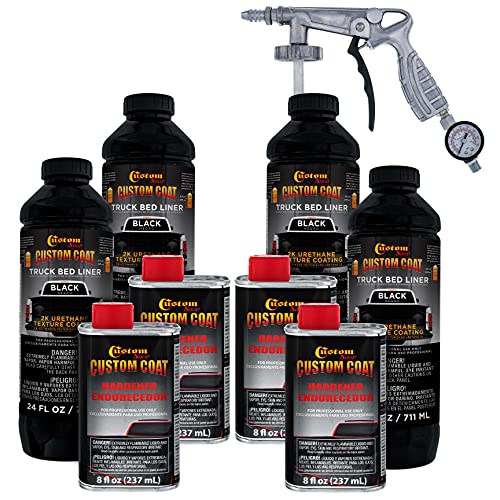

Factors to Consider
Understanding the Benefits of Spray-In Liners
Choosing Tonneau Type: Soft Roll-Up vs Hard Folding vs Retractable
Soft roll-up covers are light and cheap but offer lower load capacity and worse UV/weather resistance than hard options; they’re fine for a Ford F-150 or Tacoma owner who needs quick access and light protection. Hard folding covers add security and better sealing for trucks like the Chevy Silverado 1500 or Ram 1500, and retractable covers give the best fit and aerodynamics on models such as the GMC Sierra — but retractables often need trimming at the bulkhead when a spray-in liner is present. Pick the style that matches your cargo profile: soft = convenience, hard fold = balanced strength, retractable = security and fit accuracy.
Fitment Accuracy & Model Compatibility
Measure your bed and confirm year/model-specific brackets — OEM bed rails and under-rail spray-on liners commonly allow straightforward tonneau rail attachment, while over-the-rail liners require notching for rail clearance. Common trucks like Ford F-150, Chevy Silverado, Ram 1500, Toyota Tundra and Ford Super Duty vary in bed rail geometry, so always verify fitment with the cover manufacturer and order the kit for your exact model year. If your pickup has neither liner nor cover, install the spray-in liner first to ensure proper rail seating and seal surfaces.
Weather Sealing, Drainage & UV Resistance
Look at sealing ratings, EPDM rubber gasket quality, and whether the cover provides continuous compression seals across the tailgate and bulkhead; check sealing surfaces for bulging or visible gaps during fitment. If the cover includes drainage tubes, connect them to the bed corners to route water away from the frame — this is essential on trucks prone to standing water like long-bed F-250/350 setups. UV-stable coatings are non-negotiable in sun-exposed states; choose covers and liners specified for UV resistance to avoid cracking and premature fading.
Load Capacity, Tie-Downs & Bed Access
Consider whether the cover must support load on top — hard folding covers typically carry light loads (check manufacturer load ratings) while soft roll-ups will sag under weight. Ensure your spray-in liner preserves the recessed tie-down points or install rated D-rings for tethering heavy gear; load capacity and anchor strength are where truck builders stop guessing and start measuring. For toolboxes or bed rails, verify clearance with the cover type — a retractable cover on a RAM 1500 with low-profile bed rails will need different mounting than a hard-fold on a Silverado HD.
Frequently Asked Questions
Do I install the spray-in liner before the tonneau cover or after?
Install the spray-in liner first if your pickup has neither a liner nor a cover — that’s the recommended order to guarantee rail seating and correct alignment. If you install a cover first you risk gaps and improper sealing against the bulkhead and tailgate.
Can I use a tonneau cover with a spray-on or under-rail liner?
Yes — most tonneau covers are compatible with under-the-rail and spray-on liners without issues, which makes them the preferred combo for Ford F-150, Chevy Silverado and Ram owners. Offroad Guides notes that using both products gives maximum protection, so this pairing is industry-standard.
What about over-the-rail bed liners — will they interfere with the cover?
Over-the-rail liners frequently require notching to clear tonneau rails and clamps, and they may add installation time compared to under-rail options. Offroad Guides specifically points out that over-the-rail liners take more effort when installing a cover, so factor extra labor or professional installation into your plan.
Do retractable tonneau covers need modification when used with a spray-in liner?
Sometimes — retractables commonly require trimming of the liner at the bulkhead to allow the canister and seal to sit flush, so expect to cut the cured material precisely for a secure fit. Also inspect the sealing surfaces for bulging or visible gaps after trimming; proper seal compression prevents leaks and wind noise.
How important are drainage tubes and where do they connect?
If your tonneau cover includes drainage tubes, tie them into the bed corners to route water out and away from the frame — this prevents pooling and rust in long-bed trucks like the Ford Super Duty series. Ignoring drainage leads to trapped moisture under the liner/cover interface, which defeats the weatherproofing you paid for.
What should I check for fitment on specific models like the Toyota Tundra or GMC Sierra?
Verify rail bracket positions, bed rail height, and tailgate latch location against the cover’s fitment chart for your exact model year; trucks like the Tundra and Sierra have unique bed geometries that affect clamp placement. Check for interference with factory bed rails, toolboxes, or bed extenders before you commit.
How do I maintain my spray-in liner and tonneau cover for long-term durability?
Clean the liner with appropriate cleaners, inspect seals for cracking or hardening, and recondition rubber gaskets annually — UV exposure breaks down elastomers, so regular maintenance matters. Patriot Liner-style products are durable, but no spray-in lasts forever under brutal sun and loads; monitor tie-downs and load capacity ratings, and reseal or replace covers when gaps or bulging appear.
Conclusion
Cut through the fluff: install the spray-in liner first, pick the tonneau style that matches your load profile, and verify fitment for your exact truck model — Ford F-150, Chevy Silverado, Ram 1500, Toyota Tundra and GMC Sierra all have specific quirks. For a balanced, long-term setup, I recommend a spray-in liner plus a hard folding or retractable tonneau for best seal, UV resistance, and security.


