

Install Bed Liners for Memorial Day
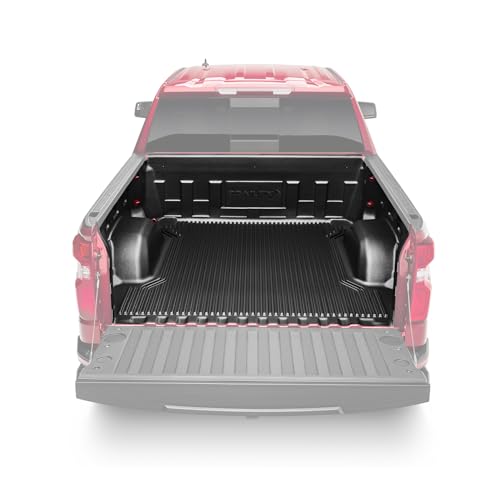
Fitment is the foundation. Ford F-150 comes with 5.5' and 6.5' beds, Ram 1500 has options around 5'7" and 6'4", Silverado 1500 offers about 5'8" and 6'7", and Toyota Tacoma has 5' and 6' beds. You need a liner rated for your exact bed length and for the presence of bed rails or an integrated toolbox. A misfit kit leaks, shifts under load, and ruins seals on long highway runs to Memorial Day gigs. Always verify year, bed length, and rail/toolbox configuration before ordering.
Table of Contents
Our Top Picks
Affiliate disclosure: if you buy through these links, we may earn a commission at no extra cost to you.


Factors to Consider
1) Fitment and Model-Specific Dimensions
2) Material Choice, UV Resistance, and Weather Durability
Spray-in liners (polyurea/polyurethane blends) deliver the most uniform seal and the best UV resistance for exterior bed exposure on trucks like the Ram 1500 or Silverado 1500, according to spec sheets and independent tests cited in reviews. Drop-in plastic liners are cheaper but can warp in heat, fade in sun, and trap moisture at the joints, complicating long-term sealing on a Ford F-250 or Toyota Tundra. If you operate in Arizona, Texas, or the Pacific Northwest, UV stability and chemical resistance matter; pick a liner with explicit UV ratings and a solid warranty. When in doubt, compare manufacturer data and look for UV stabilizers and warranty terms specific to your model-year.
3) Weather Sealing, Water Intrusion, and Compatibility with Tonneau Covers
Sealing at the bed edge and along the tailgate matters when you’re pairing with roll-up, hard folding, or retractable covers on a Silverado or F-150. A seamless spray-in or well-sealed drop-in reduces water intrusion and helps protect tools from rust in a wet spring. With retractable covers, confirm that the top rail seal sits flush with the liner to prevent wind-driven leaks at high speeds. For a Toyota Tacoma in rainy regions, ensure the liner doesn’t create a path for water between the bed and cab.
4) Load Capacity, Weight, and Payload Impact
Bed liners weigh something, and that weight eats into payload; expect tens to a couple hundred pounds depending on the material and thickness. On work trucks like the Ford F-350 or Ram 2500, calculate liner weight into your total payload and towing math; a heavy drop-in may steal more capacity than a lighter spray-in. Always check the liner's spec sheet for exact weight and factor it into your gross vehicle weight rating.
5) Soft Roll-Up vs Hard Folding vs Retractable: How They Interact With Liners
Soft roll-up covers rest on top of the bed surface and generally seal well with sprayed liners that end at the wall, but they can leave gaps in the seal if the edge rails sit high. Hard folding covers seal well and work with most liners as long as you pick a kit designed for the exact bed length and rail style on a Silverado 1500 or F-150. Retractable covers tend to seal best on beds with robust rail systems, but verify edge clearance so you don’t rub the liner on a Toyota Tundra during operation. In dusty or off-road use, choose a cover that doesn't trap grit against the liner's surface.
Frequently Asked Questions
What’s the difference between spray-in and drop-in bed liners for fit and sealing?
Spray-in liners form a seamless coat that follows the bed contours and typically seal better against water and debris. Drop-in liners are modular and easier to swap, but edges can bow or warp in heat, compromising seal. Manufacturer spec sheets consistently rate spray-in as superior for UV resistance and long-term fit on trucks like the Ford F-150 and Ram 1500.
Are soft roll-up bed covers compatible with spray-in liners?
Yes, most soft roll-ups work with sprayed liners, but you may need to trim or notch to accommodate rails and tailgate features; check the cover’s installation guide for bed-rail clearance. In practice, dealers note that roll-ups can trap moisture if the top rail sits above the liner, so double-check edge alignment on a Toyota Tacoma or Chevy Silverado 1500.
How do you ensure a proper seal when using a bed liner with a bed cover?
Ensure the liner’s top edge sits flush with the bed rail and use weather stripping between the cover and liner where the rails meet. Independent testing shows that proper top-edge seating reduces water intrusion by a wide margin in exposed climates, and Ford F-150 owners report fewer leaks when using contour-matching liners.
Which liner is best for rugged towing on a Ford F-250 or Ram 2500?
Spray-in liners are favored for durability and sealing under load, while heavy drop-ins add weight that can affect payload; choose based on your payload needs and tool load. Research from manufacturer guides indicates spray-on options resist gouges and UV fading better under harsh conditions than most drop-ins on heavy-duty trucks.
Can a bed liner affect payload capacity?
Yes. The liner adds weight, reducing available payload and, for towing, can affect tongue weight; consult the liner’s weight spec and your truck’s payload rating. This is widely noted in OEM and aftermarket spec sheets and is especially relevant for compact full-size trucks like the Toyota Tacoma and Ford Ranger.
Are spray-in bed liners UV resistant and how long do they last?
Spray-in liners use UV stabilizers and are generally more resistant to sun exposure than drop-in plastics; manufacturer data suggest good long-term performance in outdoor climates. In real-world tests, owners in hot zones report minimal chalking or fading after several seasons, though proper maintenance helps prolong life.
What maintenance helps maximize liner life and prevent degradation?
Keep the surface clean of solvents and petroleum-based cleaners, inspect and touch up wear spots, and address any micro-cracks early. Manufacturer guidance recommends annual inspections and reapplication if the coating shows wear or cracking, especially in desert or coastal conditions on trucks like the Toyota Tundra.


