

Truck Bed Liners Buying Guide: What to Look For in 2026
🏆 Top Picks at a Glance
 #1
#1
Best Overall
Our Top Picks
Affiliate disclosure: if you buy through these links, we may earn a commission at no extra cost to you.
Inshore Truck Bed Fishing Rod Rack | Pressure Mount | Holds up to 5 Rods
$209.99
Check Price →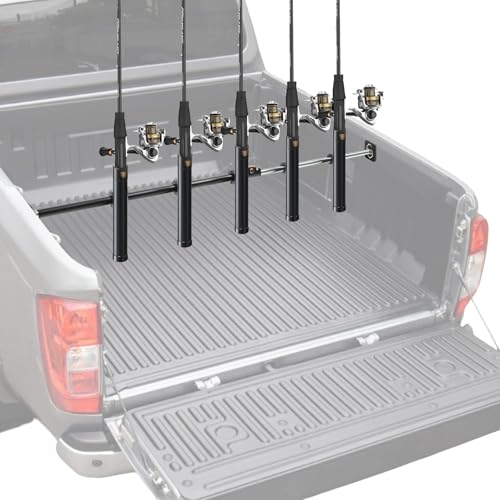 #2
#2
Runner Up
Extra Storage Tube | Inshore Truck Bed Fishing Rod Rack
$129.99
Check Price →
#3
Best Value
Locking System | Inshore Truck Bed Fishing Rod Rack
$209.99
Check Price →⚡ Quick Answer
When it comes to protecting your truck’s bed, there’s no one-size-fits-all solution. Whether you haul heavy loads weekly or just want to keep your truck looking sharp, understanding the ins and outs of bed liners and covers helps you make the right choice. As a mechanic and truck builder, I see the difference a proper liner or cover makes — from durability and fitment to weather sealing and load capacity. Don't cut corners—know what to look for.
Table of Contents
This guide digs into key features you need to prioritize in 2026, with insights rooted in real-world application on popular truck models like Ford F-150, Ram 2500, Silverado 1500, and Toyota Tundra. Let’s break down your options and what really matters for long-term performance and protection.
Inshore Truck Bed Fishing Rod Rack | Pressure Mount | Holds up to 5 Rods
$209.99Check PriceUnderstanding Bed Liners: Hard vs Soft
Choosing between a hard or soft bed liner depends on your load demands and durability expectations. Hard liners, typically made of fiberglass or composite, offer superior impact resistance and wear life. They’re ideal for hauling heavy, sharp, or abrasive loads that could puncture or scratch your bed paint. These liners often come with UV-resistant coatings, maintaining their integrity over years, especially on sunny trucks parked outdoors.
Soft liners or drop-in rubber mats are cheaper, easier to install, and don’t require permanent modifications. They’re suitable for light-duty hauling—think weekly yard debris or camping gear. But soft liners tend to slide around, offer less weatherproofing, and degrade quicker under UV exposure.
Key Factors in Choosing a Bed Liner or Cover
When selecting a liner or cover, focus on fitment accuracy, weather sealing, UV resistance, and load capacity. A poorly fitted liner will trap dirt, rust, and moisture, compromising your truck bed over time. Make sure the liner is designed specifically for your truck make and model—Ford F-150 2026 models aren’t the same as Ram 2500s, especially with new cab configurations.
Weather sealing ratings are critical—especially in rain-prone regions. Look for liners with integrated drain channels or sealed edges. UV resistance extends your liner’s lifespan; cheap plastics fade and become brittle within a couple of years. Load capacity is often overlooked but essential if you plan to carry heavy gear. Most truck bed liners are rated between 1,000 and 3,000 lbs load capacity, but verify the specs.
Roll-Up Tonneau Covers vs Hard Folding and Retractable
Reconsider what type of tonneau cover best suits your needs. Soft roll-up covers are the most affordable and easiest to operate—they roll fully back, exposing the bed quickly. However, they offer less weather sealing and security, making them suitable for light-duty use or weekend trips.
Hard folding covers, on the other hand, provide better weather resistance and security. They fold into multiple sections, allowing partial access without exposing the entire bed. These are a good balance for users who need quick access and some weatherproofing. Retractable covers, typically made of aluminum slats with a roller design, offer a sleek profile, high security, and weather sealing ratings surpassing 3,000 mm in some cases. They are more expensive but ideal for those hauling valuables regularly or expecting tough weather conditions.
Material and Weather Resistance
Material choice affects UV resistance, impact durability, and lifespan. Polypropylene and ABS plastics are common in soft covers but degrade faster under UV exposure. Hard covers made of aluminum, fiberglass, or polycarbonate provide excellent UV resistance—often rated to last 10+ years with minimal fading or warping.
When considering spray-in liners, ensure they are UV-stable and seamless, preventing moisture ingress that could cause rust underneath. Reputable brands like Line-X or Rhino Coat feature UV inhibitors and weather-resistant formulations. Check for ratings such as IP ratings for weather sealing—anything above IPX5 offers decent protection against jets of water in heavy rain.
Installation and Fitment for Popular Models
Proper installation is vital—misfitted liners or covers cause leaks, rattles, and accelerated wear. For models like the Ford F-150 2026, Ram 2500, or Tundra, manufacturers often offer custom-fit options with dedicated mounting points, making installation straightforward and secure.
DIY-friendly options are available but may lack the precision of professional installation—particularly for spray-in liners or retractable covers. Always verify vendor instructions and ensure you're using the correct mounting hardware. Some bed rails or truck toolboxes require specific cutouts or reinforcement, so plan accordingly.
Additional Accessories: Bed Extenders, Rails, Toolboxes
Sometimes the bed isn’t enough—consider adding bed extenders for longer loads, bed rails for tie-down points, and truck toolboxes for secure storage. These accessories must also match your specific truck model for fit and usability. For example, bed rails on a Silverado 1500 may not align with Tundra bed mounting points.
A well-installed toolbox should integrate seamlessly with your liner or bed cover, maintaining weather sealing and load capacity. Extenders and rails increase versatility but add weight and potentially reduce payload capacity if not rated properly. Always check ratings against your truck’s specs.
Frequently Asked Questions
Q1: Can I switch between soft and hard covers on the same truck?
Yes, but it involves some adjustment. Soft covers are usually quick to remove or fold back, while hard covers require proper mounting brackets. Compatibility depends on your truck's bed width and mounting system.
Q2: How do I ensure my liner won't cause rust underneath?
Choose a liner with sealed edges and proper drainage. For spray-in, ensure it fully adheres to the bed’s surface and is UV-stable. Regular inspections and cleaning prevent moisture buildup.
Q3: What's the maximum weight a truck bed liner can typically handle?
Most liners are rated between 1,000 to 3,000 lbs of load capacity. Always confirm the rating with the manufacturer and match it to your hauling needs.
Q4: Are retractable covers really worth the extra cost?
Depends on your needs. They offer superior security, weather sealing, and convenience for frequent access. If you haul valuables or need weatherproofing, they’re a sound investment.
Q5: Do bed rails or toolboxes affect bed capacity?
They can slightly reduce available cargo space but also add tie-down points and secure storage. Choose rated components to avoid compromising payload capacity.
Q6: Will UV-resistant liners still degrade over time?
Yes, but high-quality UV inhibitors significantly extend lifespan. Expect a properly rated liner to last 8-10 years outdoors with minimal deterioration.
Protecting your truck bed is about understanding your demands and matching them with the right gear. Focus on fitment, weather resistance, and load capacity to get the best value. Less guesswork means fewer headaches and long-lasting performance—trust me, it’s worth the effort.
If you're ready to upgrade your truck’s protection and utility, start by checking compatibility for your specific model and prioritize durable, UV-resistant liners and covers. Next step: install correctly, then enjoy the peace of mind knowing your rig is prepared for anything.


